
Language
Michel Reybier Hospitality embodies a contemporary vision of luxury, with exceptional addresses in Switzerland, France and London. To maintain ultra-premium service standards, the group uses RoomChecking to coordinate housekeeping, maintenance, field teams and real-time operational tracking.
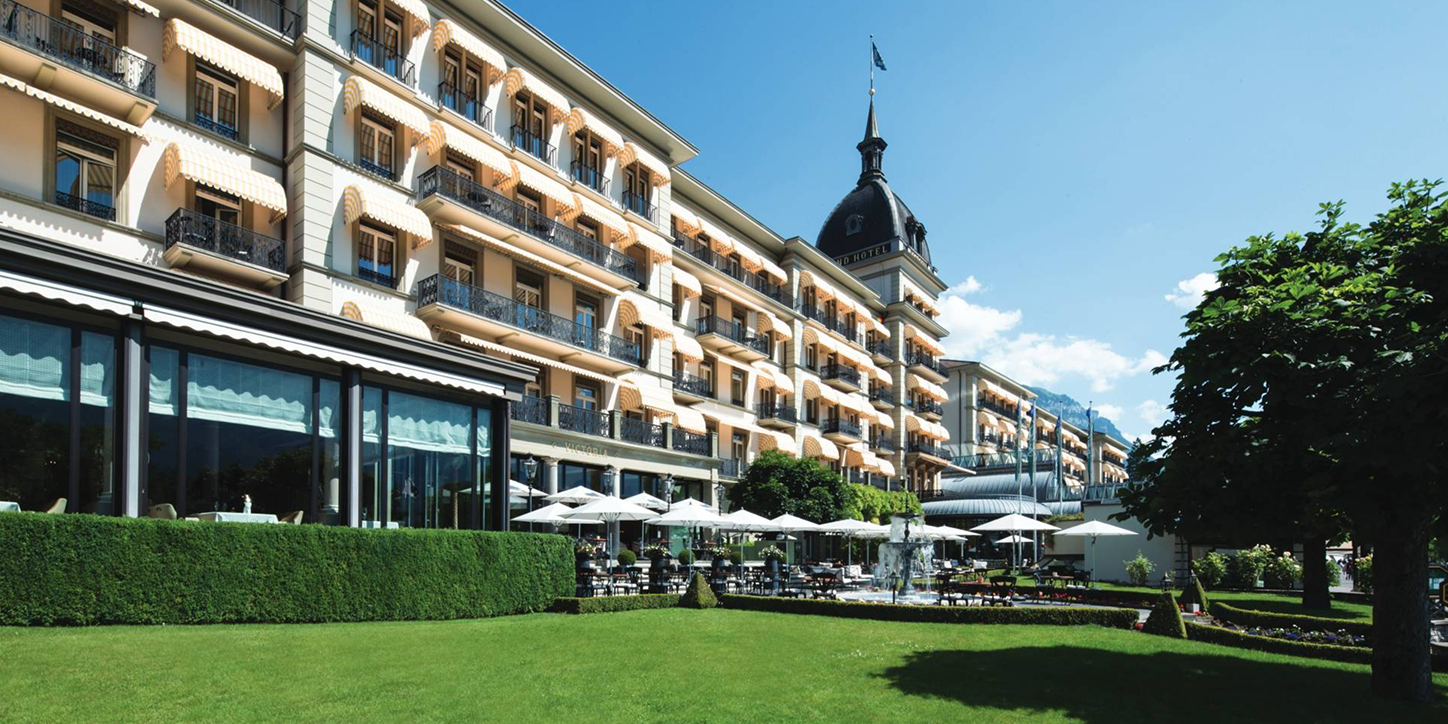
Michel Reybier Hospitality operates high-end properties where every detail counts: room quality, coordination between departments, maintenance responsiveness, manager visibility and consistency of the guest experience.
With RoomChecking, the group has digitised its housekeeping and maintenance operations to reduce errors, improve communication between departments and give managers a live view of field execution. The RoomChecking page reports a 25% increase in cleaning productivity and guest issues resolved 60% faster after deployment.
Michel Reybier Hospitality carries a singular vision of contemporary luxury. For more than 20 years the group has developed high-end addresses in Switzerland, France and London, built on excellence, authenticity and simplicity. La Réserve Paris was voted best hotel in the world by Condé Nast in 2017 and ranked third in La Liste in 2023.
In properties like these, the guest experience doesn't rest on the interiors, the welcome or the prestige of the address alone. It also rests on invisible execution: a perfectly prepared room, a guest request passed on without friction, a maintenance issue handled fast, smooth coordination between teams and consistent quality from one service to the next.
The operational challenge is easy to state and hard to deliver: maintain a very high standard of excellence, every day, across several properties, with several teams and demanding guests.
In luxury hospitality, operational gaps show immediately. A delay in preparation, a message that doesn't get through, a technical intervention that takes too long or a room that doesn't quite meet the expected standard can affect how the whole stay is perceived.
Michel Reybier Hospitality had to manage properties with sometimes complex layouts, demanding guests and constant coordination between housekeeping, maintenance and the front office. Multi-building configurations, ultra-premium standards and seamless coordination between teams all had to be handled at once.
Before RoomChecking, manual processes, paper checklists and the absence of real-time visibility could slow execution, create errors and make operational control harder for managers. Housekeepers printed guest preferences every morning, complaints were tracked in spreadsheets, and technical teams learned about problems by radio or last-minute message.
RoomChecking was deployed as an integrated platform to run housekeeping and maintenance.
The solution assigns rooms automatically based on real-time availability, team sections and workload balancing. In luxury housekeeping that balancing works on time credits rather than room counts, since daily cleaning, turndown service, linen changes and special attentions carry very different weights.
Room standards catalogues turn brand standards into something teams can actually see. Each suite can come with after-preparation photos, annotated checklists and precise references on linen, minibar and amenities. At La Réserve Geneva, that extends to diagrams detailing pillow arrangement and the exact placement of room elements.
Guest data stops being passive. Preferences held in the PMS — extra pillows, a dietary requirement in the minibar, a birthday, a romantic attention — are converted into automatic work orders triggered at check-in, during the stay or at check-out, each with a priority level and a checklist, and sent straight to the right team's mobile devices. That has cut paper-based administrative work by up to 30%.
Properties are mapped by building, floor, zone and sub-zone, with assets attached to their exact location, so a broken table in one wing routes to maintenance while a minibar refill in the same zone routes to housekeeping. Trade sub-groups take it further, separating an air conditioning filters team from an air conditioning repair team. Across the portfolio, that logic has more than halved misrouted tasks and accelerated room release by close to a third.
Complaints and compensation are recorded in the same system. Each property defines its experience categories and compensation options, so every upgrade, spa voucher, bar credit or service gesture is traced with its monetary value — which makes complaint volume, compensation cost and handling time manageable by department.
Lost and found follows the same logic, and matters more in luxury where forgotten items can be valuable. Staff register an item with a photo, description, location and estimated value, then track its status through to return. Recovery times have halved.
Finally, managers get live dashboards and instant reporting. They can track progress, identify blockers and stay in control without chasing information, and morning meetings start from a shared view rather than spreadsheets and printouts.
With RoomChecking, Michel Reybier Hospitality gains efficiency, clarity and operational calm.
Cleaning productivity rose 25% through better task distribution. That's a significant gain in a luxury environment, because the goal isn't only to move faster: it's to move faster without eroding the standard.
Guest issues are resolved 60% faster thanks to real-time maintenance alerts and intervention tracking. That reduces the risk of a technical incident turning into visible guest frustration.
Team satisfaction improves too, with less confusion, fewer last-minute changes and better visibility on the day's priorities. In a luxury operation that clarity is critical: it reduces stress in the field and lets teams focus on service quality.
The Michel Reybier Hospitality case shows that operational technology isn't only there to automate tasks. In luxury hospitality, it exists to protect the guest experience.
RoomChecking doesn't replace an eye for detail, the elegance of the service or the expertise of the teams. The platform provides a clearer framework so those standards hold consistently, even in complex environments.
The higher the expected level of service, the more structured the back end has to be. Luxury does not scale on individual memory, printed sheets or messaging threads. Guests never see the dashboards, the assignments or the maintenance alerts. But they feel their effects directly: a room that's ready, a service that flows, a request handled quickly and a stay without friction.
For Michel Reybier Hospitality, RoomChecking becomes the operational foundation for maintaining excellence at scale.
The platform helps organise housekeeping, smooth communication between departments, speed up maintenance and give managers real-time visibility on field execution.
For luxury hotel groups that want to protect their standards while reducing operational complexity, RoomChecking offers a clear answer: turn service expectations into visible, measurable, actionable workflows.
.png)