Language
Pullman Hotels, part of the Accor group, operates in a fast-moving hotel environment with high occupancy, short stays and strong expectations around cleanliness, responsiveness and premium service. RoomChecking helps teams automate cleaning plans, smooth the guest welcome and speed up maintenance day to day.
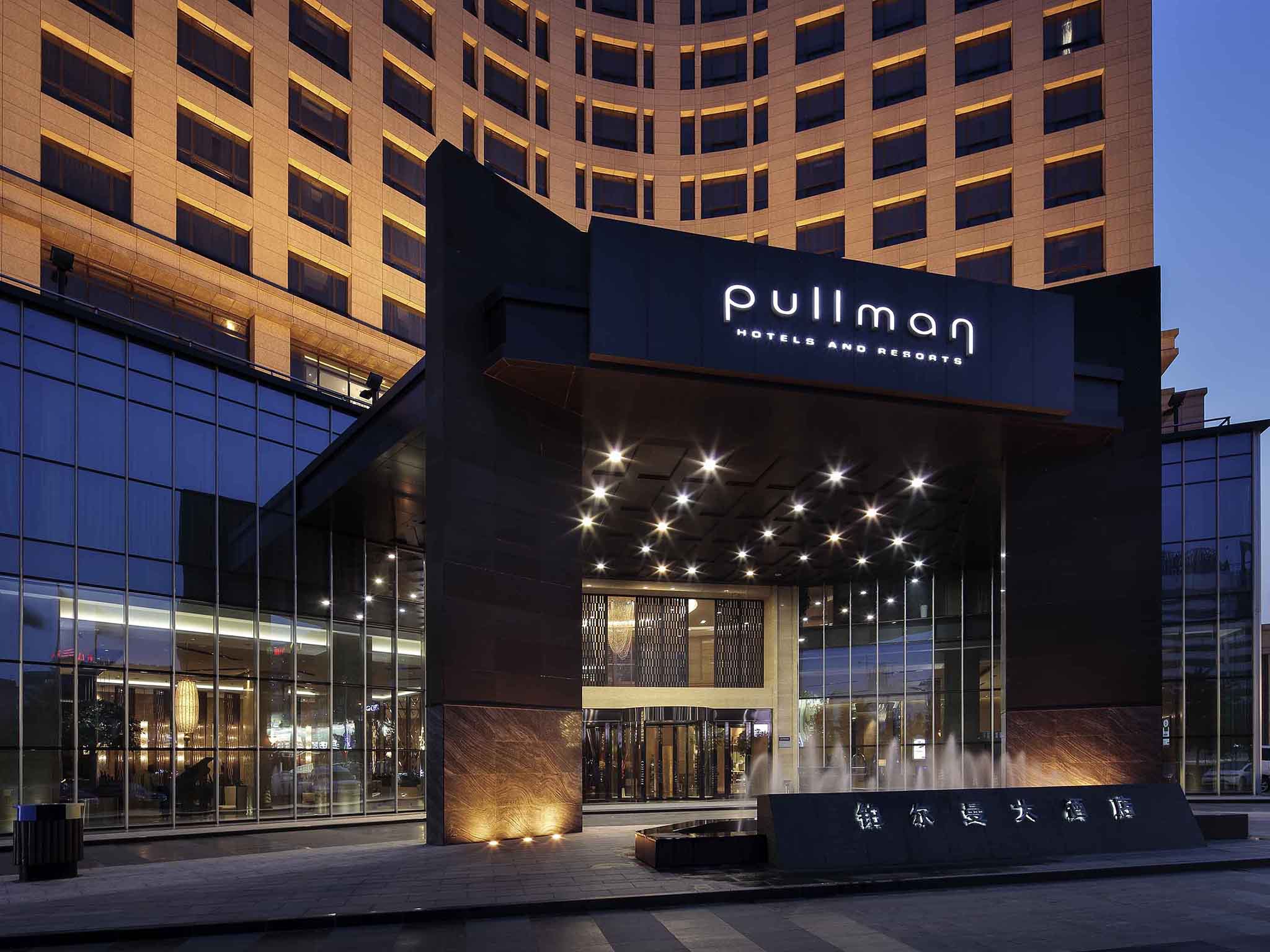
Pullman Hotels, an Accor brand, runs fast-paced urban hotels with high occupancy, short stays and strong expectations around cleanliness, responsiveness and service quality. RoomChecking helps Pullman teams automate cleaning plans, smooth the guest welcome, coordinate teams better and speed up maintenance work.
Pullman Hotels operates in an urban hotel environment where the pace is particularly high. The properties host business travellers, leisure guests, groups and short stays, with strong expectations around cleanliness, speed and service quality.
In this kind of hotel, operational excellence isn't a bonus. It's a baseline condition. Rooms have to be ready quickly, arrivals have to be smooth, guest requests have to be handled without delay and teams have to stay perfectly coordinated.
The main challenge is clear: maintain a premium experience in an environment where everything moves fast.
Pullman teams handle a high daily volume of departures, arrivals, rooms to prepare and operational requests.
In the morning, housekeeping planning can quickly become a friction point. Departures, arrivals, specific requests, floors, sections and workload all have to be distributed between teams at speed.
Without the right tool, that coordination often relies on Excel, manual exchanges or decisions taken under pressure. It creates stress, potential errors and lost time at a critical moment of the day.
The second issue is the guest welcome. In a busy Pullman hotel, the desk can be overwhelmed quickly, especially when several guests arrive at once. Every friction at check-in can chip away at the perception of quality.
Finally, maintenance has to stay responsive. A light bulb, an air conditioning problem or a faulty piece of equipment can affect the guest experience directly if the request isn't reported, assigned and handled quickly.
RoomChecking lets Pullman teams organise their daily operations around a system that is simpler, faster and more visible.
Every morning, cleaning plans can be generated automatically. RoomChecking distributes rooms based on real-time availability, expected departures, specific requests, buildings, sections and workload. Teams can then follow cleaning statuses and task progress live.
To smooth the guest welcome, Pullman also uses RoomChecking's Breakfast App. Guests can scan a QR code or receive a link before arrival to indicate their breakfast preferences or arrival time. Front desk and F&B teams receive that information in real time, which helps them prepare and reduces friction points.
On the maintenance side, RoomChecking allows issues to be reported, assigned and tracked in real time. Preventive tasks can also be scheduled and followed in a calendar view, helping technical teams act before problems become visible to guests.
With RoomChecking, Pullman Hotels gains speed, coordination and operational visibility.
Cleaning plans, once time-consuming to prepare, can now be produced far faster. The source page reports that a task which used to take 45 minutes every morning in Excel can now be handled at the press of a button.
Rooms are prepared faster, teams spend less time on manual coordination and statuses are visible in real time. That reduces friction between housekeeping, the front desk and management.
The guest welcome is smoother too, thanks to information collected ahead of arrival. Teams can anticipate preferences and stop breakfast or check-in from becoming bottlenecks.
Maintenance gains responsiveness as well. Issues can be reported and assigned quickly, with a reported 70% reduction in maintenance response time.
The Pullman case highlights an important reality: in a high-volume hotel, performance doesn't depend on the quality of the teams alone. It also depends on the quality of the system that organises their work.
When teams have to handle many rooms, many guests and a lot of information at the same time, manual tools quickly become a brake.
RoomChecking turns those repetitive operations into clearer workflows: automated cleaning plans, better guest information capture, better assigned maintenance tickets and smoother collaboration between departments.
For Pullman Hotels, RoomChecking has become a daily tool. It speeds up operations, reduces manual coordination and makes teams more responsive.
In urban hotels where every minute counts, that smoother organisation helps teams maintain a premium guest experience even when the operational pace is intense.
For hotels that want to cut their dependence on Excel, streamline housekeeping and coordinate the front desk, F&B and maintenance better, RoomChecking provides a directly actionable structure.